The sound of a busy home changes from one hour to another. Morning footsteps travel toward the kitchen, someone remembers a forgotten folder upstairs, and another family member pauses beside the staircase before continuing the day. Those ordinary moments quietly shape familiar routines. During conversations about comfortable movement inside multi-level homes, acorn is frequently mentioned because preserving everyday independence matters while keeping familiar surroundings exactly as they have always been. Nothing feels out of place, and daily life continues with the same welcoming atmosphere shared across every room.
Changing Routines Fill Every Floor
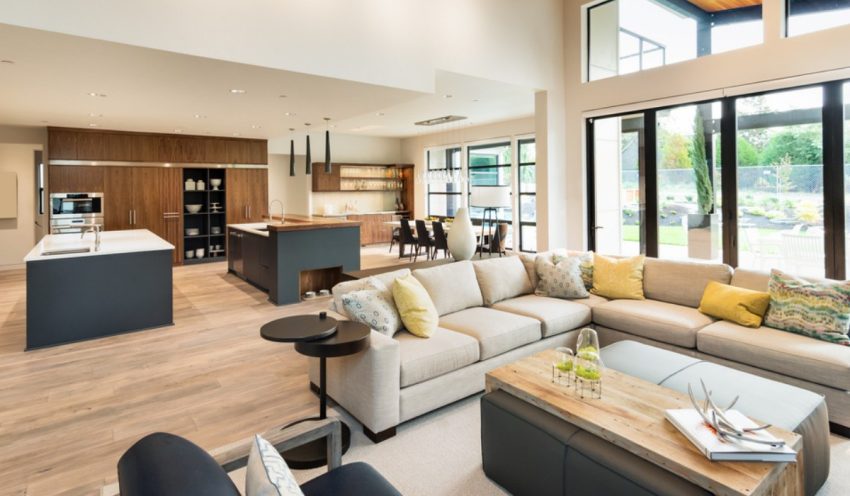
Each level of a home serves a different purpose. Bedrooms become quiet workspaces during the morning, living rooms welcome afternoon conversations, and kitchens naturally gather everyone before the evening begins.
Ordinary responsibilities create steady movement throughout the day. A jacket remains upstairs. Fresh towels wait inside another room. A favorite book somehow stays beside a chair on the opposite floor. Those small moments quietly repeat without becoming noticeable.
Practical Support Fits Daily Living
Remote work has changed household routines for many families. Meetings happen upstairs while deliveries arrive downstairs. Laundry finishes during lunch breaks, and evening meals bring everyone together again before separate routines continue.
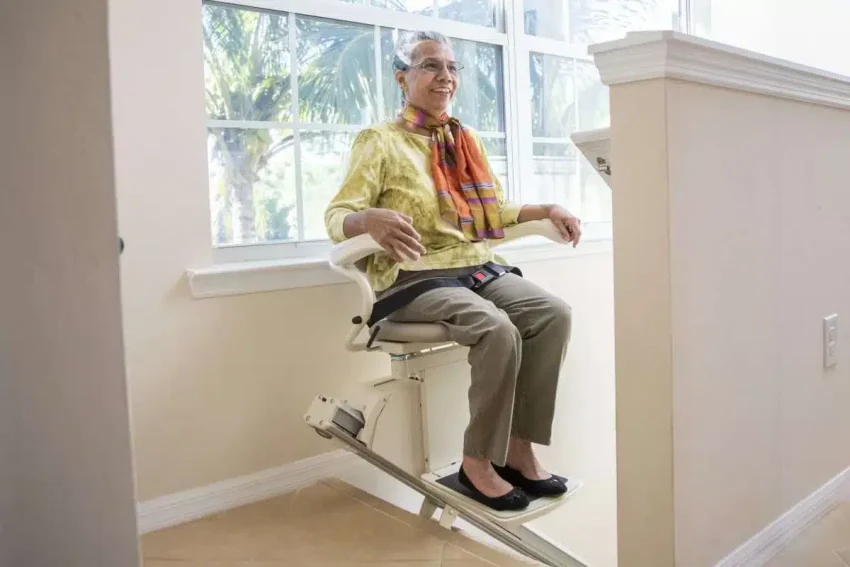
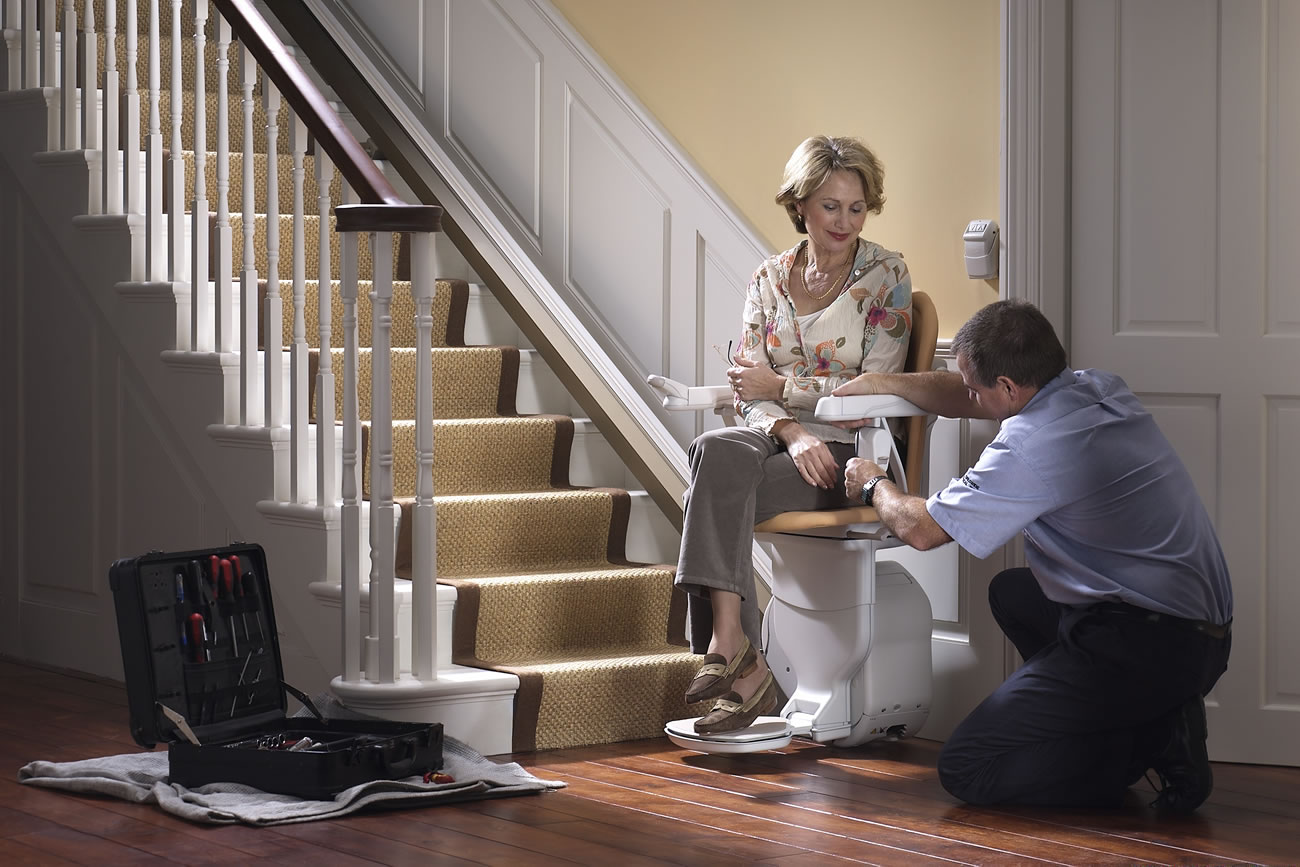
During conversations about practical mobility equipment, stairlifts acorn becomes part of familiar comparisons because reliable stair travel comfortably blends into everyday household movement without changing the existing layout.
Every Generation Shares The Same Space
Several generations sometimes gather beneath one roof. Grandparents enjoy quiet conversations downstairs while younger family members collect games, books, or photo albums from upstairs rooms. Working adults balance office calls with household responsibilities between those familiar trips.
The staircase quietly connects everyone without becoming the center of attention. One person carries folded clothes upstairs. Another returns with blankets before the evening becomes cooler. Ordinary routines continue naturally from one floor to another.
Comfortable Living Continues Naturally
Homes slowly change without losing their familiar feeling. A spare room becomes a hobby space. A reading corner replaces unused furniture. Fresh flowers brighten a hallway during one season, while warm blankets appear across favorite chairs during another.
Daily life keeps moving through ordinary moments instead of dramatic events. Someone heads upstairs for a forgotten notebook before breakfast. Another returns carrying folded laundry while dinner quietly cooks downstairs. Familiar footsteps continue connecting every level, allowing the home to remain welcoming without losing the comfort built through years of shared memories.
A welcoming home is remembered through ordinary moments shared across familiar rooms. Comfortable movement simply keeps those moments connected, allowing every floor to remain part of everyday life without changing the warmth already found there.